Solar Watches: How They Work, Their Advantages, and PSB Watches' Selection
Solar watches are establishing themselves as a modern horological solution: they combine the precision of a quartz movement with extended power reserve thanks to Solar technology. At PSB Watches, we are increasingly asked questions about these models: how they recharge, how long they last, and how they differ from an automatic watch. Here is a clear, comprehensive, and choice-oriented guide.


Cartier Tank Must SolarBeat (Source: Vogue France)
The history of solar watches
In 1972, Roger Riehl created the Synchronar 2100, the first digital solar watch. In 1976, Citizen revolutionized watchmaking with the Eco-Drive, the first analog solar watch.
Since then, brands have refined the technology and discreetly integrated cells under the dial. Today, solar watches combine innovation, design, and accessibility.


What is a solar watch (Solar)?
A solar watch, sometimes referred to as "Solar", is a timepiece that operates using light energy rather than a conventional battery. Specifically, it incorporates a photovoltaic cell, generally integrated under the dial, which captures ambient light — whether it be natural (sun) or artificial (lamps, neon, LED).

How does it work?
The principle is simple and sustainable:
- Light passes through the watch dial.
- It is absorbed by the invisible solar cells located just beneath.
- These cells convert light into electricity.
- This electricity is stored in a rechargeable accumulator (or secondary battery).
- The watch then uses this energy to power the quartz movement.
Unlike a classic quartz watch, no disposable battery is needed. The integrated accumulator is designed to last 10 to 20 years depending on the brand.
Does it need direct sunlight?
Not necessarily. A solar watch does not need to be constantly exposed to the sun. It also recharges with:
- indirect natural light (through a window, in the shade…)
- or indoor light (LED, neon, desk lamp...)
The stronger the light, the faster the recharge. Generally:
- 5 to 15 minutes of natural light per day is sufficient for normal use.
- In case of complete discharge, it takes 4 to 6 hours of direct sunlight for a full recharge.
In summary
- Eco-friendly: no batteries to replace or dispose of.
- Practical: several months of power reserve once fully charged.
- Discreet: solar cells are integrated and invisible.
- Reliable: works even in low ambient light.

Left - Citizen E168 Caliber (Eco-drive movement), Right - Seiko V157 Caliber (solar movement)
Why choose a solar watch?
Solar watches are distinguished by their practicality and reliability. They particularly meet the needs of people who want a precise, autonomous, and easy-to-maintain watch for daily use.
The main advantage is the reduction of technical interventions: no repeated battery changes, thus fewer case openings, which helps preserve water resistance and longevity.
Battery Life: How long does a Solar watch last?
Battery life varies by brand and movement, but a properly charged Solar watch can last for several months under normal operation. Some models also feature an energy-saving mode.
To maintain a comfortable power reserve, avoid storing the watch in complete darkness. Regular exposure to light is sufficient in most cases.
Solar watches at PSB Watches: Which brands can you find?
PSB Watches selects Solar watches, prioritizing readability, reliability, design, and real-world use.

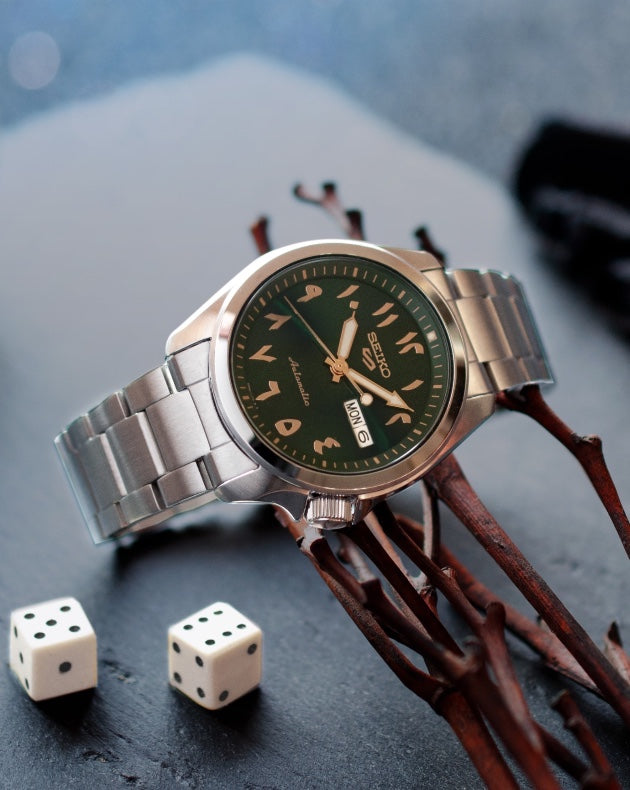
Seiko Solar: precision and versatility
Seiko Solar watches are renowned for their robustness, precision, and discreet elegance. They easily adapt to all styles, from the office to outings, with a truly "hassle-free" daily logic.
The birth of Solar technology at Seiko
Seiko showed an early interest in light energy. As early as the 1970s, the Japanese brand experimented with solar-powered watches, continuing its pioneering role in quartz. The objective was clear: to offer lasting precision while reducing maintenance constraints and the need for regular battery replacement.
The main Seiko Solar ranges
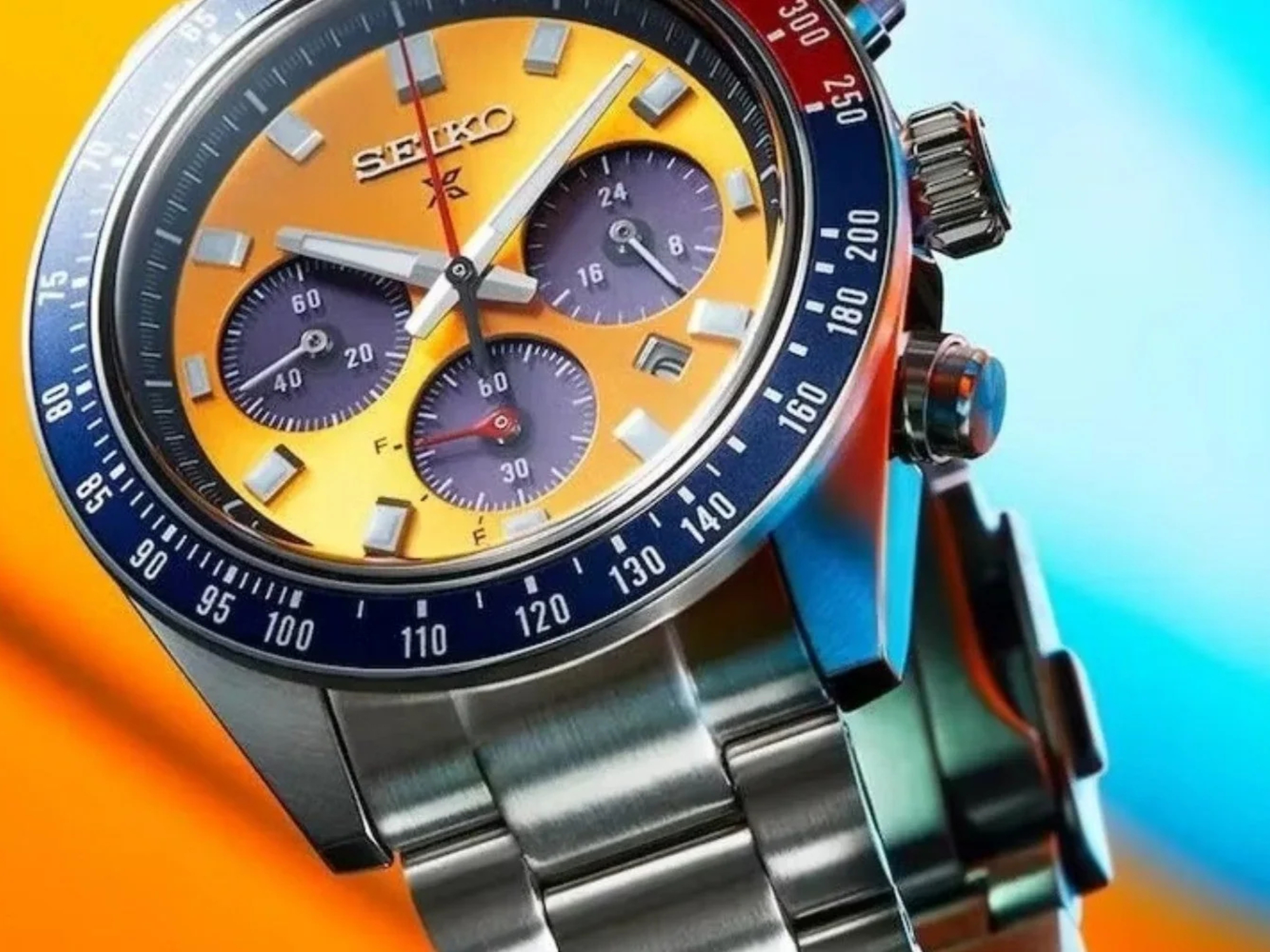
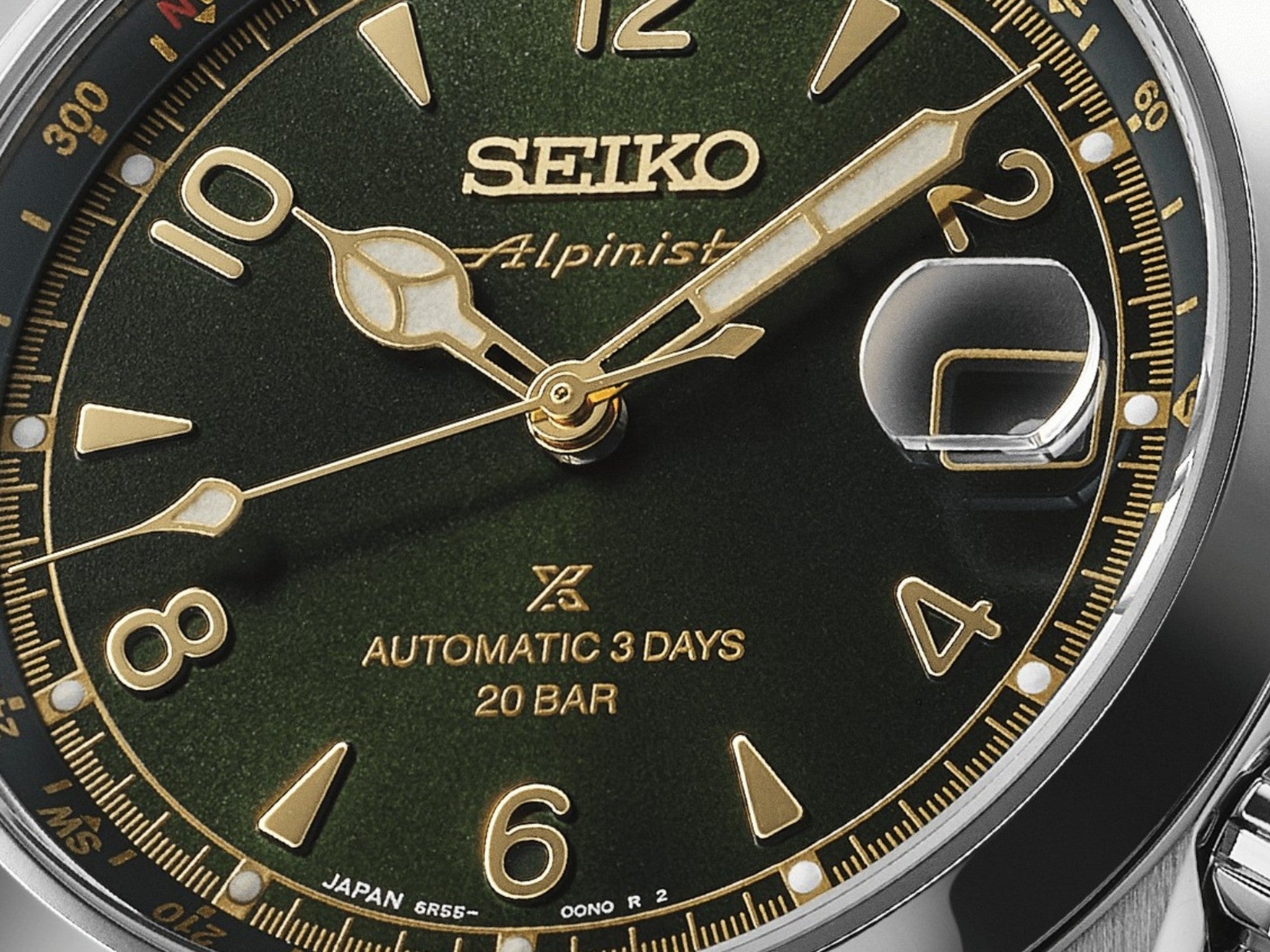
Seiko Prospex Solar

Solar technology is widely present in the Prospex universe, designed for sports and adventure watches. Here, you'll find models built to withstand intensive use, often with high water resistance, excellent legibility, and robust cases. This is a relevant option for those who want a reliable, long-lasting watch, even in demanding conditions.
Seiko Astron (GPS Solar)

Astron represents Seiko's technological showcase, combining light charging with GPS synchronization to automatically adjust time and time zone. This range clearly targets the high-end market, with a strong focus on innovation, precision, and daily comfort of use, especially for travelers.
Seiko Coutura Solar

The Coutura range offers a more urban and contemporary aesthetic, with refined cases and a dressier identity than purely "tool" lines. Here you'll often find solar chronographs, designed for total versatility: elegant enough for formal wear, while remaining practical and durable.
Seiko Solar (everyday ranges)

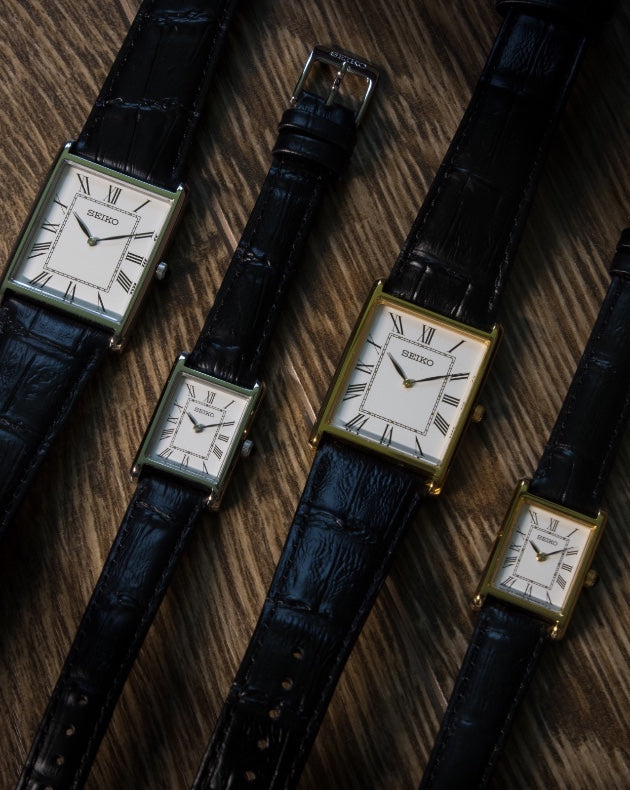
Beyond Prospex, Astron, or Coutura, Seiko also offers simpler Solar models, often with three hands or as chronographs, intended for straightforward and efficient daily use. These watches prioritize readability, reliability, and excellent value for money, with a discreet presence on the wrist.
Why Solar is a consistent choice for Seiko
At Seiko, solar isn't just a selling point: it's a solution designed for longevity. The brand focuses on a pragmatic approach, centered on reliability and precision, with watches capable of keeping pace with a demanding daily routine without constraints. This is exactly what explains the popularity of Seiko Solar in a wide variety of uses.


Orient Solar: elegance and technology
Orient also offers solar watches designed for those who want a precise, easy-to-live-with watch suitable for daily use, while maintaining a sober aesthetic identity. The idea is the same: to keep a watch always ready, without depending on regular battery replacement, with the typical precision of a quartz movement.
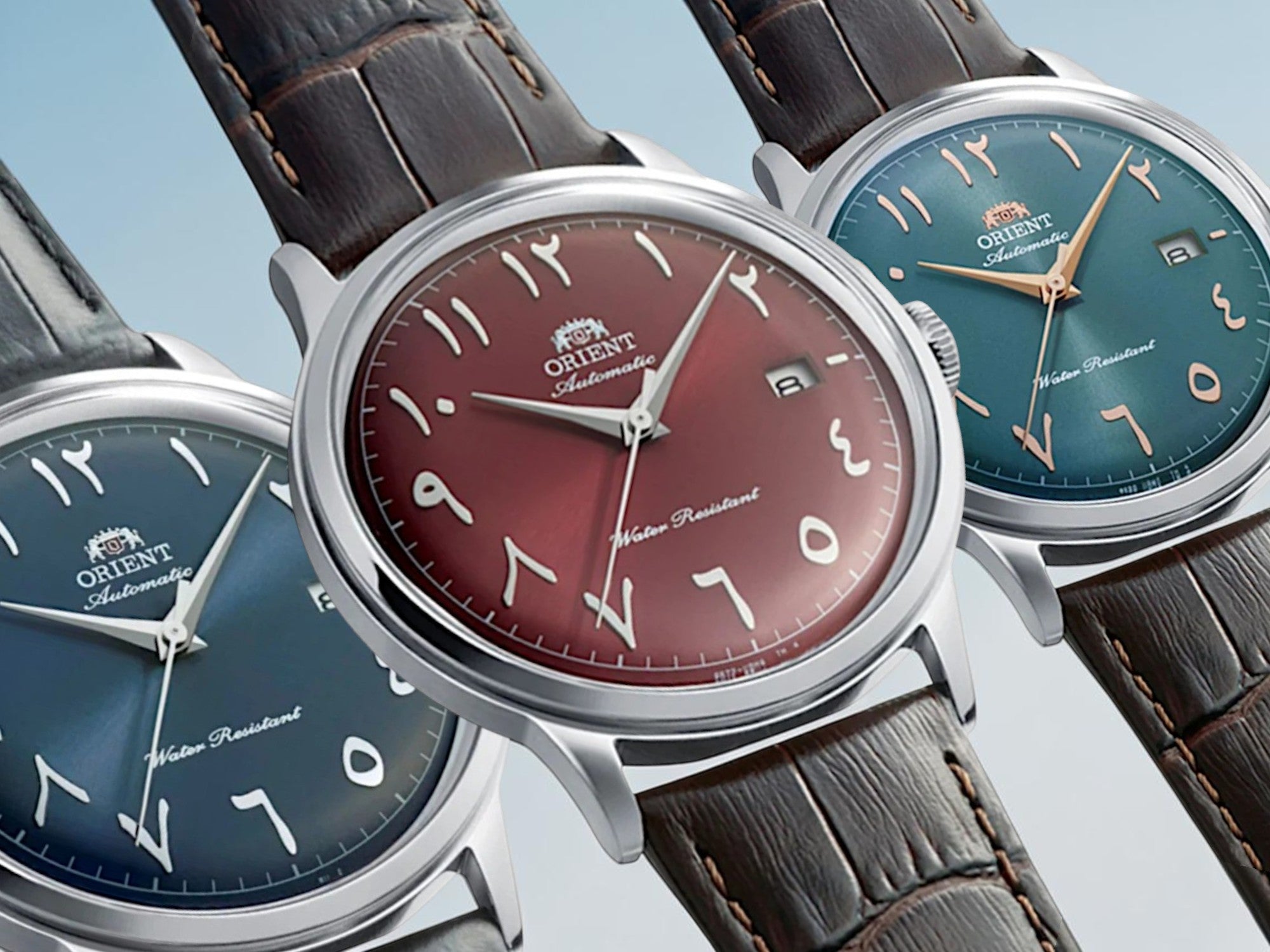
Orient Bambino Solar: the classic spirit in a solar version

A Bambino Solar adopts the codes that make the collection so successful: a clean dial, dressy proportions, elegant finishes, and a discreet presence on the wrist. The addition of solar power preserves this "dress watch" style while improving wearing comfort, with a watch designed for durable daily use without demanding battery maintenance.
Orient solar watches: for what use?
Orient solar models are particularly suited for those who want a watch that is easy to wear daily, reliable, and precise, but with a dressier look than a sports watch. It's a relevant choice for a single watch, capable of accompanying both formal attire and more casual use, without technical constraints day-to-day.
Why choose an Orient Solar
Opting for an Orient Solar means choosing a practical and durable watch that maintains a classic and accessible approach. For lovers of sober aesthetics who are looking for an "always-ready" watch, solar energy brings a real gain in comfort, while staying true to the Orient spirit: simplicity, readability, and elegance.


Casio Solar: robustness and functionality
Casio is one of the most iconic brands when it comes to robust and functional solar watches. Solar technology fits perfectly into the brand's DNA: offering reliable, precise watches capable of withstanding intensive use without maintenance constraints.
Casio's solar technology
Casio has been integrating solar power for many years, with a very pragmatic approach. The objective is simple: to guarantee maximum autonomy, high long-term reliability, and continuous use, even in difficult conditions. This technology has become a standard on many outdoor and sport-oriented references.
The main Casio Solar ranges
G-Shock Solar

G-Shock solar watches are designed to withstand shocks, vibrations, and extreme environments. They combine an ultra-robust construction with solar power that reinforces their "hassle-free watch" aspect. This is a preferred choice for sports, professional, or outdoor activities.
Pro Trek Solar

The Pro Trek range is aimed at nature and adventure enthusiasts. Solar models are often associated with advanced functions such as altimeter, barometer, or compass. Solar energy here allows these features to be powered without worrying about battery life during prolonged activities.
Everyday Casio Solar

Casio also offers simpler solar watches, designed for everyday use. These models prioritize readability, reliability, and ease of use, with sober and effective designs, perfectly suited for regular wear.
Why choose a Casio Solar
Choosing a Casio Solar means opting for a durable, precise watch designed to last. The brand emphasizes efficiency, resistance, and simplicity, making it an ideal solution for those looking for a watch capable of functioning without interruption, regardless of the conditions of use.
Solar watch or automatic watch: what's the difference?
The difference between a solar watch and an automatic watch lies in their energy source and internal technology. A solar watch operates thanks to a photovoltaic cell that converts light into electricity stored in a rechargeable accumulator, ensuring high, quartz-like precision. An automatic watch, on the other hand, uses a mechanical mechanism powered by the movements of the wrist, relying on a rotor that winds the mainspring.

How to maintain a Solar watch?
A Solar watch does not require complex maintenance, but a few good practices can ensure its proper functioning in the long term. The key is to maintain a sufficient charge level through regular exposure to light, whether natural or artificial.
Daily wear is usually sufficient to maintain an optimal charge. When the watch is not worn for an extended period, it is advisable to place it in a bright environment, for example near a window, rather than in a drawer or a completely closed box.
It is important to avoid prolonged exposure to intense heat sources, such as a windowsill in direct sunlight behind a window or a car dashboard. Excessive heat can, in the long run, affect internal components and the lifespan of the accumulator.
Finally, even if a Solar watch's accumulator is designed to last for many years, regular use and proper management of light exposure help preserve its performance and ensure stable autonomy over time.
Why are solar watches gaining popularity?
They offer autonomy, precision, durability, and a variety of styles. Their low maintenance makes them a modern alternative to quartz or mechanical watches.
FAQ: Solar watches
Does a Solar watch only work in sunlight?
No, it also recharges in artificial light, though more slowly.
Do you need to replace a battery in a solar watch?
No. It uses a rechargeable accumulator that lasts for several years.
What happens if my watch remains in the dark?
It eventually stops but will restart once exposed to light.
Leave a comment
This site is protected by hCaptcha and the hCaptcha Privacy Policy and Terms of Service apply.